
Access Property Tax Records in Mono County
Mono County property tax records provide information on all taxable parcels in the county. The Assessor and Tax Collector offices in Bridgeport manage these records. Property values are established by the Assessor each January 1. Tax bills are sent twice yearly by the Tax Collector. You can search property tax records online or by visiting county offices. Public access to tax information is guaranteed under California law. Searches can be done using parcel numbers, street addresses, or owner names. The county provides both online portals and in-person assistance for property owners and interested parties seeking tax information.
Mono County Property Tax Facts
Mono County Assessor
The Mono County Assessor office is at 25 Bryant Street in Bridgeport. You can reach them at 760-932-5510. The Assessor values all property in Mono County for tax purposes. This includes homes, land, commercial buildings, and business equipment. Values are set each January 1 based on market conditions and property characteristics.
Proposition 13 limits how property gets valued in California. When property sells, the Assessor revalues it at the purchase price. After that, the value can only go up by two percent per year unless you build something new. This system protects long-term owners from big tax increases. If you add a room or other improvement, the Assessor will add that value to your assessment.
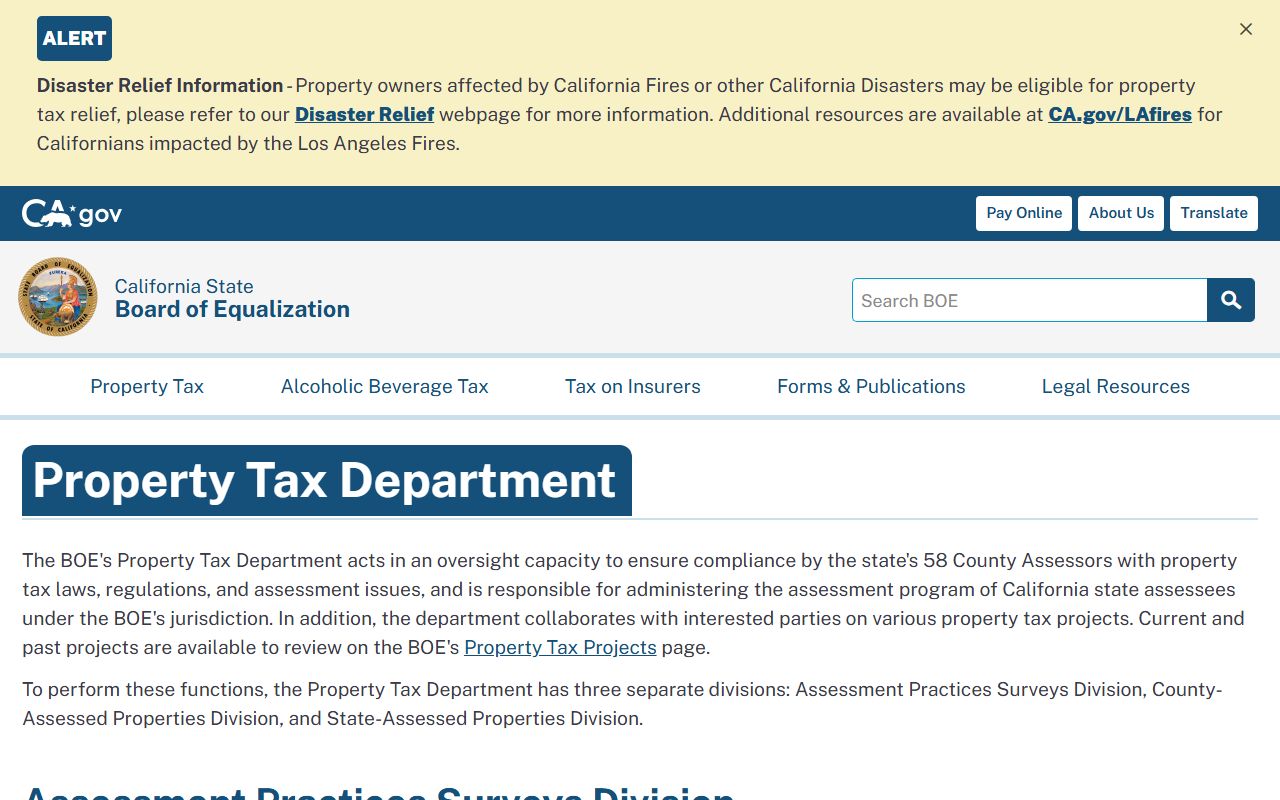
The Assessor keeps detailed records on every parcel. You can view parcel maps, ownership records, and assessment history. Some information is available online. Other records require a visit to the office or a written request. Copying fees may apply for large document requests.
Property owners must report new construction and major improvements. If you remodel, add a structure, or make other significant changes, notify the Assessor. They will inspect the property and adjust your assessment accordingly.
Tax Collector and Bill Payment
Mono County Tax Collector sends property tax bills and collects payments. Call 760-932-5480 with questions about your bill. The office is at 25 Bryant Street in Bridgeport. Property taxes are billed in two installments each year.
First installment bills mail in October and are due November 1. They cover the period from July through December. If not paid by 5:00 pm on December 10, a ten percent penalty is added. Second installment bills are due February 1 and cover January through June. These become delinquent at 5:00 pm on April 10 with a ten percent penalty plus additional costs.
Payment options include online, mail, and in person. The county website has links for online payment. You can use a credit card, debit card, or electronic check. Cards typically have a service fee around two percent. Electronic checks often have no fee or a small flat fee. Check current fees on the payment page before completing your transaction.
For mail payments, send a check or money order to the address on your bill. Include the payment stub. Use certified mail if mailing close to the deadline for proof of payment. In-person payments are accepted at the Tax Collector office during business hours.
Search Tax Information Online
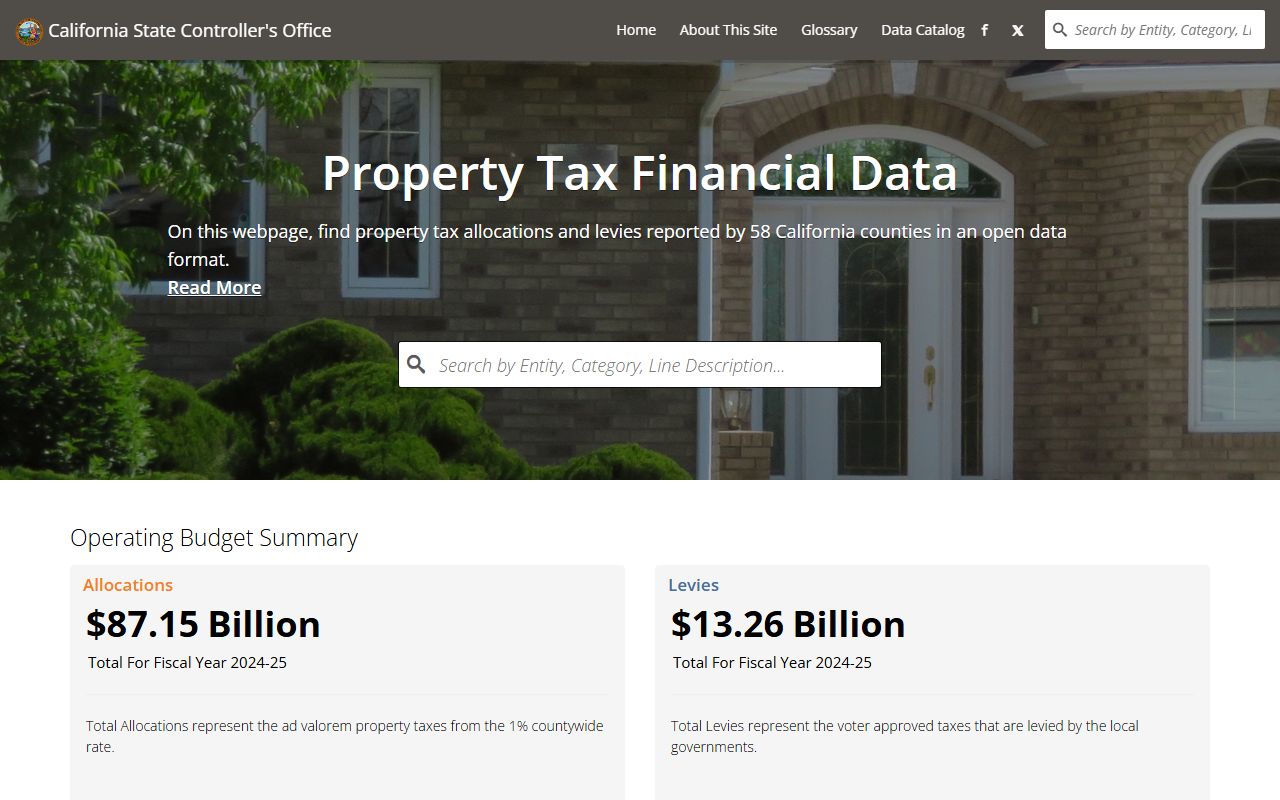
Mono County provides online access to property tax records. You can search by parcel number, property address, or owner name. The online system shows current tax bills, payment history, and assessment information. This service is free for public use.
Your parcel number appears on your tax bill and deed. It is also called an Assessor's Parcel Number or APN. This unique number identifies your property in county records. Keep it handy for searches and payments.
Search results show your assessed value, any exemptions, and the total tax amount. You can see special assessments and voter-approved bonds that add to your bill. The system also displays payment history so you can verify that past payments were credited correctly.
Exemptions to Reduce Your Tax Bill
Mono County property owners can apply for several exemptions. The Homeowners' Exemption is the most common. It reduces assessed value by $7,000 for owner-occupied homes. File the form by February 15 to receive the exemption for that tax year. Once granted, it renews each year unless you move or sell the property.
Veterans with service-connected disabilities can get the Disabled Veterans' Exemption. The amount varies based on disability rating and household income. Veterans with higher disability percentages get larger exemptions. Submit proof of your VA disability rating with the application.
Disabled persons who are not veterans may also qualify for an exemption. You must be under 62 and meet income requirements. Blind persons qualify for this exemption as well. All disability exemptions require documentation from a medical provider or government agency.
Get exemption forms from the Assessor at 760-932-5510. Fill them out completely and submit by the deadline. Missing the deadline means you lose the exemption for that year.
Note: Religious and charitable organizations may qualify for full exemptions on property used for exempt purposes.
Appeal Your Property Assessment
Property owners can challenge assessments they believe are too high. File an appeal with the Mono County Assessment Appeals Board. The regular filing period is July 2 through September 15. Some decline-in-value appeals can be filed until November 30. Check the exact deadline with the Clerk of the Board.
Obtain the appeal form from the Assessor or the Clerk of the Board. Complete all sections. State your opinion of the correct value and explain why the Assessor's value is wrong. Attach evidence such as recent sales of comparable properties, a professional appraisal, or photos showing damage or defects.
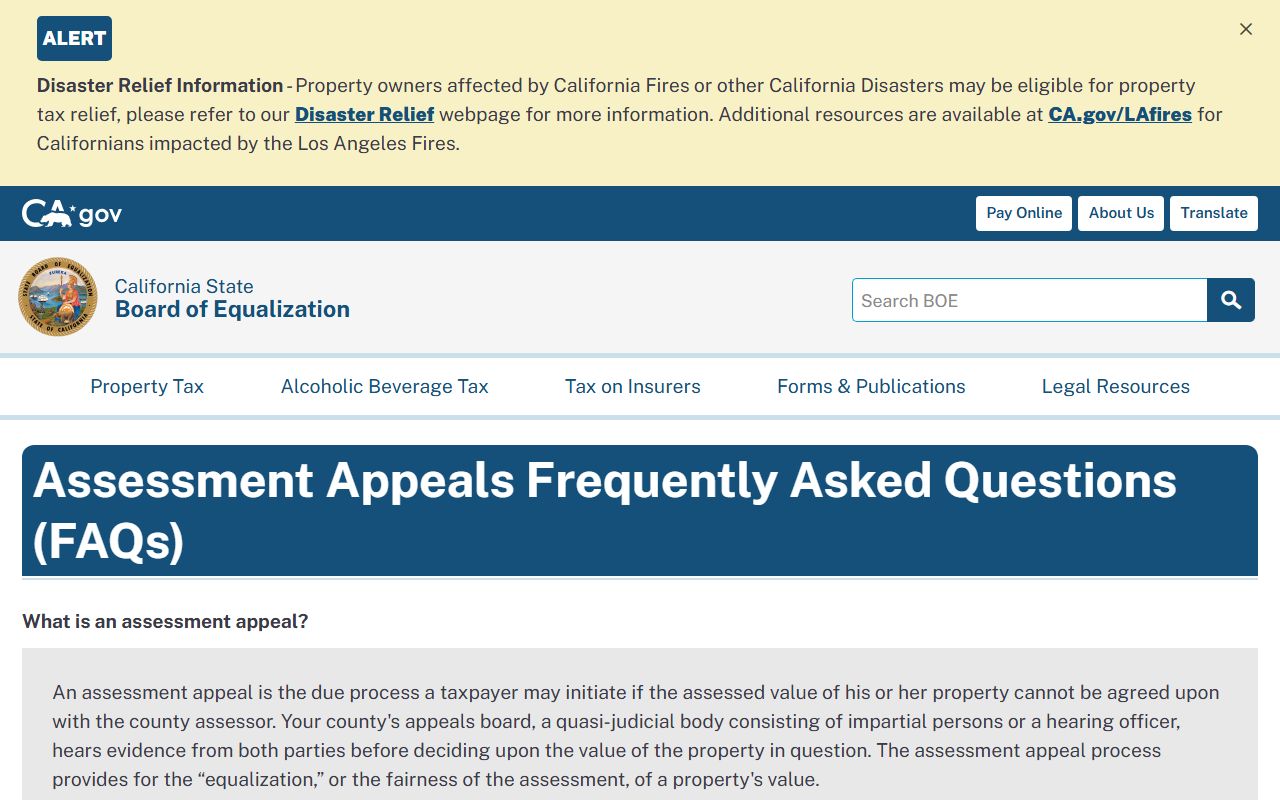
The Board will schedule a hearing after you file. You receive at least 45 days notice before the hearing date. At the hearing, present your case and evidence. The Assessor also presents their valuation. The Board decides the correct value based on all evidence. You can represent yourself or hire an appraiser or attorney.
If you win, your taxes are reduced for that year. The decision does not carry forward, so you must file a new appeal each year if the dispute continues.
California Tax Law
Property taxes in California follow Proposition 13 rules. This constitutional amendment limits the base tax rate to one percent of assessed value. It also caps annual value increases at two percent unless ownership changes or new construction occurs. Proposition 13 is in California Constitution Article XIII A.
The California Revenue and Taxation Code provides detailed procedures for assessment and collection. Section 218 covers the Homeowners' Exemption. Sections 1601 through 1604 govern assessment appeals. These laws apply statewide in all 58 counties including Mono County.
The California State Board of Equalization oversees county assessors. They audit assessment practices and issue guidance. Find resources and FAQs at boe.ca.gov/proptaxes/proptax.htm. The Board also hears appeals from local board decisions in some cases.
Important Property Tax Dates
Keep these dates in mind. January 1 is the lien date when property values are set for the year. February 15 is the deadline for exemption applications. November 1 is when first installment taxes are due. December 10 at 5:00 pm is when first installment becomes delinquent with a ten percent penalty.
February 1 is the second installment due date. April 10 at 5:00 pm is when second installment becomes delinquent. After June 30, unpaid taxes go into default status. Business property owners must file statements by April 1. Assessment appeals are filed between July 2 and September 15 or November 30 depending on the type of appeal.
Nearby Counties
Mono County is adjacent to several other California counties and Nevada. Each California county administers its own property tax system.